

The Long-Term Safety Risks of Double-Tapped Breakers and Why Upgrades Fix Them
Many homeowners in Grand Rapids and Kentwood don’t realize how often minor electrical problems hide inside their panel. One of the most common issues is a double-tapped breaker. It sounds harmless, and plenty of people live with it for years without knowing anything is wrong. But a breaker that holds two wires under the same terminal creates long-term safety risks that deserve attention. Electric panels handle heavy electrical loads, and anything that compromises that structure increases the chance of damage, overheating, and failure.
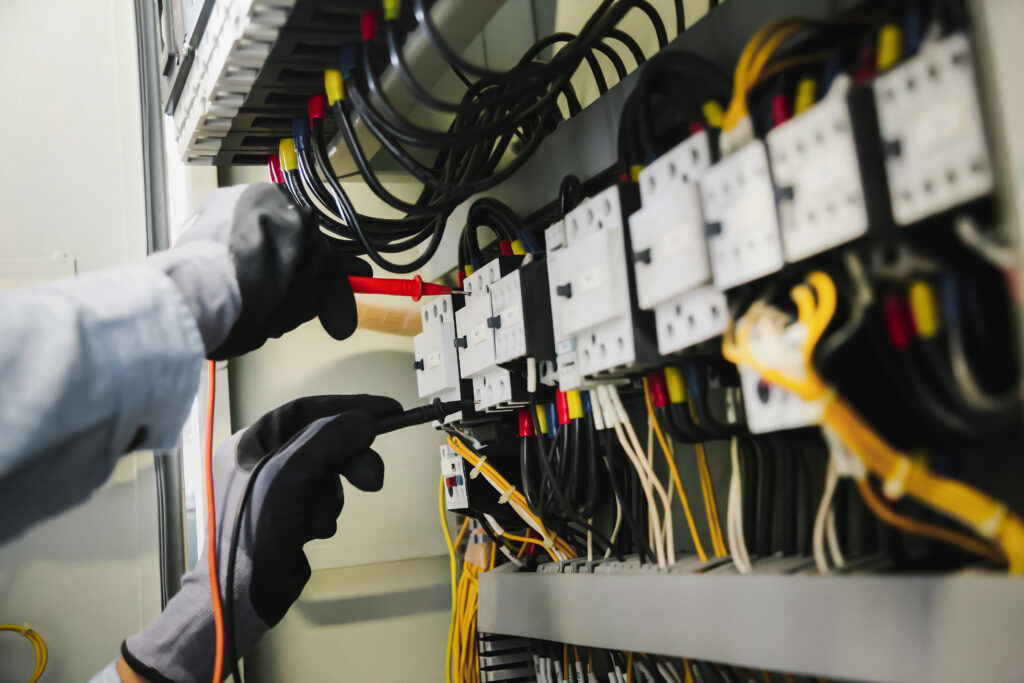
Double-tapped breakers usually appear during DIY work, quick fixes, or panel expansions that weren’t designed to handle growing electrical demands. Homes keep adding more appliances, more lights, more electronics, and more devices every year. A double tap signals that the panel doesn’t have enough dedicated breaker space to support those upgrades. Once a panel gets stretched past its limits, small issues turn into real risks. Understanding the dangers and the upgrades that fix them helps you protect your home from preventable electrical hazards.
What a Double-Tapped Breaker Actually Looks Like
A double-tapped breaker holds two wires under a screw designed for only one. A single terminal clamp can’t grip two wires evenly, and the contact point becomes weak. Even if it seems tight at first, wires shift over time from temperature changes, vibration in the panel, and normal electrical load cycles.
A proper breaker has space for only one wire. Certain specialty breakers allow two, but they are rare and clearly marked for that purpose. A double-tapped breaker often surprises homeowners because the panel still works. Lights turn on, outlets still function, and appliances still run. But the breaker struggles behind the scenes, and the wiring no longer sits in a stable position.
Once the connection loses stability, the heat rises. Small gaps between wires and terminals create electrical arcing. That arcing produces even higher temperatures, which damages the breaker and the wires. The longer this continues, the higher the chance of failure.
Why Double-Tapped Breakers Raise Long-Term Safety Risks
A double-tapped breaker fails only after heat, pressure, and electrical demand reach a dangerous point. That buildup rarely happens overnight. It grows slowly in the background while giving almost no clear warning to the homeowner.
Key risks that develop over time include:
Loose Connections
As two wires shift under one screw, the terminal loses grip. That loose contact increases resistance. Higher resistance creates heat. Heat damages insulation and weakens the breaker itself.
Electrical Arcing
Arcing happens when electricity jumps across small gaps. It creates a spark strong enough to char insulation and metal around it. This process repeats each time the circuit activates, making the damage worse.
Overheating Inside the Panel
A breaker that overheats affects neighboring breakers. Heat spreads across the bus bar and weakens the entire panel. Once heat damage begins, the panel loses reliability.
Breaker Failure
A breaker must trip during electrical overloads. A compromised breaker doesn’t trip correctly. Instead of shutting off power, it keeps sending current into a failing circuit. That creates a dangerous situation inside the walls of a home.
Fire Risk
The combination of heat, arcing, and breaker failure increases the chance of an electrical fire. Panels with double-tapped breakers often show damage around wiring, terminals, and insulation before visible signs appear elsewhere.
How Double-Tapped Breakers Affect Home Comfort and Reliability
Electrical systems support almost everything in a modern home. Once a breaker starts to fail, small frustrations begin before major safety risks show up. These early signs often confuse homeowners because they seem unrelated to the panel.
Common symptoms include:
- Lights flicker or dim when appliances turn on
- Outlets make a faint buzzing sound
- Breakers trip randomly during normal use
- Electronics shut off without warning
- Certain rooms feel underpowered
- Appliances run hotter than expected
These changes often push homeowners to replace bulbs, check appliances, or blame old wiring. In many cases, the root problem sits inside the panel at a double-tapped connection.
Why Homes Develop Double-Tapped Breakers
Double taps often appear because the panel no longer supports the home’s electrical needs. Homeowners add more power demand over time without realizing the panel needs an upgrade.
Common reasons include:
- Adding new appliances without new circuits
- Installing new lighting or outlets on a crowded panel
- DIY projects without understanding panel capacity
- Older homes with outdated electrical infrastructure
- Quick fixes during renovations
- Previous owners cutting corners
As electrical needs rise, older panels simply don’t keep up. A double-tapped breaker becomes a sign that the panel needs evaluation—not a harmless shortcut.
Why Panel Upgrades Solve Double Tap Problems
A proper panel upgrade gives your home more room, safer wiring, and breakers designed for modern electrical loads. Instead of forcing multiple wires into a single breaker, each circuit gains its own dedicated space with correct grounding and protection.
Key benefits include:
More Breaker Capacity
A new panel provides additional slots. Every circuit gets a dedicated breaker without sharing terminals.
Better Heat Management
Modern panels use stronger materials and improved bus bar design. These updates handle heat more effectively, reducing stress inside the panel.
Improved Electrical Balance
A well-designed panel distributes electrical load evenly. That balance keeps circuits stable and reduces flickering, dimming, and nuisance trips.
Room for Future Upgrades
Many homeowners forget that new appliances and devices keep coming. A panel upgrade prevents crowding and double taps during future additions.
Higher Safety and Reliability
With a clean setup and properly sized breakers, your system runs smoothly. Breakers trip when needed. Wires stay secure. The panel stays cool.
A double-tapped breaker shines a light on the bigger issue: the house has outgrown its current panel. An upgrade solves that problem permanently.
How Electricians Diagnose Double-Tapped Breakers
A trained electrician looks deeper than the surface. They examine wiring size, connection tightness, heat marks, insulation quality, and panel age. The real goal is to understand why the double tap happened.
A full inspection includes:
- Identifying all double-tapped terminals
- Checking breaker types and compatibility
- Looking for signs of overheating
- Testing the load distribution
- Examining bus bar condition
- Reviewing grounding and bonding
Once the technician gathers this information, they determine whether the panel can be adjusted or whether an upgrade becomes the safer and smarter option.
Common Double Tap Problems in Grand Rapids and Kentwood Homes
Homes across West Michigan share common electrical challenges tied to aging infrastructure and expanding power usage.
Frequent issues include:
- Double taps from older split-level homes
- Panels too small for added appliances and remodeling
- Aluminum wiring tied into copper circuits
- High-demand systems like EV chargers and HVAC upgrades
- Wear caused by winter temperature swings
Each of these issues increases the chance of double-tapped breakers and long-term electrical damage.
FAQs
How dangerous is a double-tapped breaker?
A double-tapped breaker creates loose connections that lead to heat, arcing, and panel damage. The longer it sits, the higher the risk of failure.
Can a double-tapped breaker be fixed without replacing the panel?
Certain breakers allow two wires, but they are rare. Most double taps need a new breaker or panel upgrades for a safe fix.
What are signs my panel may have double-tapped breakers?
Flickering lights, warm outlets, buzzing, and random breaker trips often point to hidden panel issues.
Do older homes have more double-tapped breakers?
Yes. Older panels often lack space for new circuits, and homeowners add more devices than the panel was built to handle.
Can double-tapped breakers cause a house fire?
Yes. Heat and arcing from loose connections increase fire risk, especially when the breaker fails to trip.
Protect your home from hidden electrical hazards. Call 616-538-0220 to schedule a breaker and panel safety inspection with Penning Plumbing, Heating, Cooling & Electric.
