

Basement Floor Drain Geysers After Cloudbursts: Backflow Diagnostics That Stick
Cloudbursts hammer West Michigan. The Grand River swells, storm drains surge, and basements tell the tale. A quiet floor drain can turn into a churning geyser in seconds. Water burps up, brings grit onto the slab, and leaves a muddy ring. Homeowners mop, bleach, and hope next time goes better. Hope doesn’t fix plumbing. A clear diagnostic plan does. This guide shows how to trace the source, confirm the path, and lock in repairs that hold through spring thaw and late-summer downpours across Grand Rapids and Kentwood.
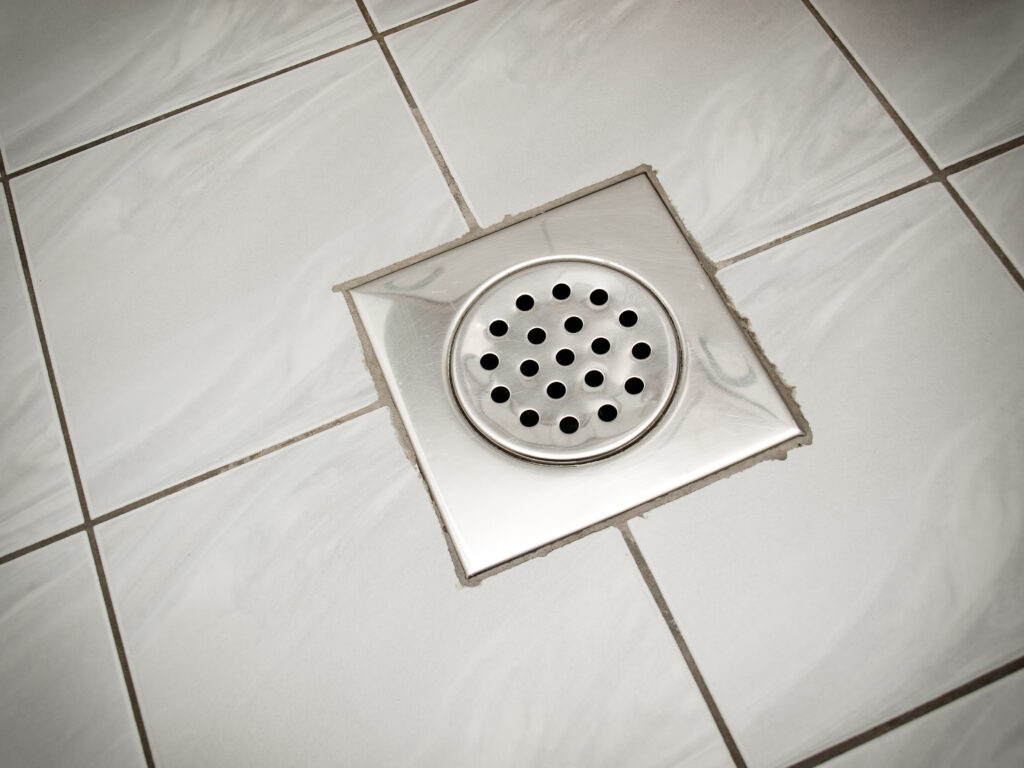
Why a floor drain erupts during cloudbursts
Heavy rain stacks pressure on your sanitary line. Street mains run near capacity. Older laterals made from clay or thin-wall plastic collect roots and scale. Every slowdown adds friction, which raises the water line in your pipe. The basement floor drain sits at the lowest point, so it vents that pressure first.
Common triggers in Kent County:
- Street main surges push sewage toward homes on flat streets or cul-de-sacs
- Tree roots at joints grab paper, so flow narrows and speed drops
- Sump discharge ties into a marginal storm line and sends water back on power flickers
- A stuck or undersized backwater valve can’t close and leaves the slab exposed
- Floor drain traps dry out, which makes it easy for air burps to break the seal and start a spill
You don’t need to guess which one caused the mess. A simple, step-by-step check will point to the culprit.
The first ten minutes after a geyser
Safety comes first. Avoid outlets and extension cords on a wet slab. Keep kids and pets away until the floor gets sanitized. Then collect the clues before anyone rinses them away.
- Snap photos of the water line on walls, boxes, and the water heater jacket
- Note any sewer smell, silt, or bits of paper in the puddle
- Check whether the sump pump ran, stalled, or never kicked on
- Lift the floor drain grate and look for fresh grit or hair at the trap entry
- Mark the time and whether rain still pounds or has already passed
These notes help a tech match the event to the system response.
A “stick” diagnostic framework that finds the real cause
Penning techs use a five-part framework. Homeowners can follow the same outline to gather useful facts.
1) Event timeline
Write a short log. Rain started at 3:15. Sump turned on at 3:30. Drain burped at 3:44. Power blinked once. Water receded at 4:10. A tight timeline links symptoms to system behavior.
2) Elevation map
Find the lowest fixture on the basement level. Many homes in Grand Rapids have floor drains lower than the basement toilet flange. If the drain flooded but the toilet bowl stayed normal, the backflow likely came from the branch serving the drain, not from the whole house line. If both moved together, the main line surged.
3) Flow path trace
A dye tablet in the basement toilet, a sink, and the laundry tub, one at a time, shows where each branch ties in. Don’t flood the system. Add a small flow and look for dye at the floor drain. If purple shows up fast, that branch feeds the drain closely and may carry the choke point.
4) Protection inventory
List every device that should stop reverse flow. Main backwater valve? Fixture-group valve on the basement bath? Check the valve on the sump discharge? Write model types if you can see them. A missing or mismatched device often explains the mess.
5) Capacity test
Run a garden hose outside and drain water into a floor sink that leads to the same branch. A steady three-gallon-per-minute trickle should never lift a floor drain grate. If it does, you have a restriction near the tie-in or a trap problem right at the drain.
This framework keeps everyone honest. The findings guide the next step, professional testing.
Pro tests that give clear answers
You deserve proof before anyone starts cutting concrete. Here’s what a thorough visit includes.
HD drain camera scope
We run a camera from a cleanout toward the street and back toward the basement branches. The video shows roots, offsets, bellies, and scale. A recording lets you see the blockage, not just hear a guess.
Inflatable test plug (“test ball”)
A tech inserts a plug downstream of the floor drain, inflates it, and adds a controlled flow into the branch. No rise at the drain means the trap seals well; a quick rise shows a local restriction or a vent issue.
Dye and flow differentiation
Separate colors mark sanitary branches and the sump discharge line. Mix-ups happen more than you think on old houses and DIY work. Correct routing keeps storm water out of sanitary lines and vice versa.
Sump system audit
A clear-lid test confirms pump start, run, stop, and the close of the discharge check valve. A soft thump means a good seal. A slam or rattle means water hammer and possible backwash.
Backwater valve function check
We open the access, wipe the flap seat, and hand-actuate the gate. The valve must swing free and seal tight. Warped rubber or grit on the seat will keep it from doing its job during a surge.
These tests sort city issues from home issues and branch problems from main problems.
Patterns we see across Grand Rapids and Kentwood
Local soil, pipe materials, and municipal layouts create repeat offenders.
- Clay tile laterals along tree-lined streets: roots enter at joints and create a fringe that catches debris
- Flat building drains in mid-century ranches: improper slope causes slow rolling water that drops solids
- Combined or near-combined areas that see street surges during thaw and fast spring storms
- Old floor drains with dry traps and no primer line, which fail to hold a seal under air burps
- Sump discharges tied to small storm lines that backfeed during power flickers or neighborhood pumping
Recognizing the pattern points to the fix that holds.
Fixes that stop the show (and keep it stopped)
Full-port backwater valve on the main line
This acts as your front door against street surges. We size it to match the pipe, set proper slope, and install a labeled access riser. Full-port design keeps everyday flow strong and smooth.
Fixture-group protection
Basement baths and laundry below street grade benefit from a second line of defense. A branch backwater valve shields that group even if you service the main valve.
Floor drain upgrade
Retrofit flood-guard inserts drop into many cast-iron or PVC drain bodies. The float rises and seals under reverse flow. A modern sealed drain with a trap primer line offers a longer-term answer that also blocks sewer gas.
Overhead sewer conversion
Certain homes gain major protection by pumping basement fixtures up and over the foundation before dropping back to the building drain. That change lifts the lowest opening above the flood plane.
Sump discharge rework
A quiet check valve on a vertical discharge prevents backwash and short cycling. A dedicated, code-compliant outlet keeps storm water out of sanitary lines. A battery backup with a high-level alarm handles power blips.
Root control and pipe rehab
Precision jetting removes scale and root hair. A follow-up camera pass confirms clean walls. Lining or spot repairs tackle cracks and offsets without trenching the whole yard.
Each choice fits a specific diagnostic outcome. No one device solves every case.
Maintenance that buys peace of mind before the next cloudburst
Small habits pay big dividends:
- Open the backwater access each quarter, wipe the flap seat, and test movement
- Pour a cup of water into each floor drain monthly to keep traps sealed
- Test the sump pump and backup before spring thaw and before fall rain season
- Clear downspouts and extend leaders 6–10 feet from the foundation
- Schedule an annual camera scope on older laterals or high-root lots
- Label valve locations and breaker switches so any family member can act fast
A fifteen-minute check in April beats a midnight cleanup in May.
Quick case snapshot
A Kentwood ranch near a mature maple kept flooding only during short, violent storms. The floor drain erupted; the basement toilet stayed normal. Our camera found a root curtain ten feet downstream of the floor-drain tie-in. A flood-guard insert stopped the symptom right away. Targeted jetting cleared the root hair. A lined spot repair sealed the joint. The next storm hit hard. The slab stayed dry.
DIY myths that cause repeat floods
- “A bigger grate moves water faster.” The grate isn’t the bottleneck. The pipe and blockage are.
- “A check valve on the sewer fixes it.” A check valve belongs on pump discharges. The sanitary line needs a backwater valve designed for sewage.
- “A rag stuffed in the drain stops backups.” That trick blocks air and can blow out the trap glue joint. Use a proper retrofit device.
- “The city always causes the problem.” Street surges exist, but house laterals and branches create many floods. Testing tells the truth.
Storm-mode checklist for West Michigan homes
- Confirm sump start/run/stop and quiet check close
- Open and inspect the backwater valve access
- Prime all floor drains
- Clear window wells and downspouts
- Keep our number on the fridge and in your phone
A plan beats panic every time.
FAQs: Basement floor drain backflow in Grand Rapids & Kentwood
Q1: Does a backwater valve stop every kind of basement flood?
A backwater valve blocks surges that come from the street side. Groundwater seepage, a broken supply line, or a failed sump needs different solutions. A quick inspection shows which risk you face.
Q2: How can I tell city main pressure from a clog in my house?
Watch the pattern. A fast spike during a downpour with silt and sewer smell often points to main pressure. A slow rise during normal use points to a house clog. A camera scope confirms it.
Q3: My floor drain only burps, then settles. Do I still need a fix?
Air burps mean pressure swings and a weak trap seal. That small sign often shows up a storm or two before a true overflow. A trap primer or a drain retrofit gives cheap insurance.
Q4: Will a flood-guard insert restrict normal drainage?
Quality inserts sit open during normal flow and close only under reverse pressure. Sizing and seating matter. A quick fit check prevents nuisance slowdowns.
Q5: How often should I service a backwater valve?
Quarterly wipe-downs during wet seasons work for most homes. Add a full annual camera scope in older neighborhoods with clay laterals or heavy tree cover.
Penning Plumbing, Heating, Cooling & Electric diagnoses drain geysers and installs fixes that last across Grand Rapids and Kentwood. Speak with a licensed pro today at 616-538-0220 and stop the next flood before it starts.
