

Hot Water That Runs Out Faster After Repairs and Why That Happens
Hot water problems frustrate homeowners fast. A repair gets completed, the leak stops or the heater turns back on, and then showers turn cold sooner than expected. Many people assume the repair caused damage or that the water heater now fails. In most cases, the issue connects to changes made during the repair process, not a broken system. Plumbing and water heating systems react to adjustments in pressure, flow, temperature, and internal components. Those changes affect how long hot water lasts.
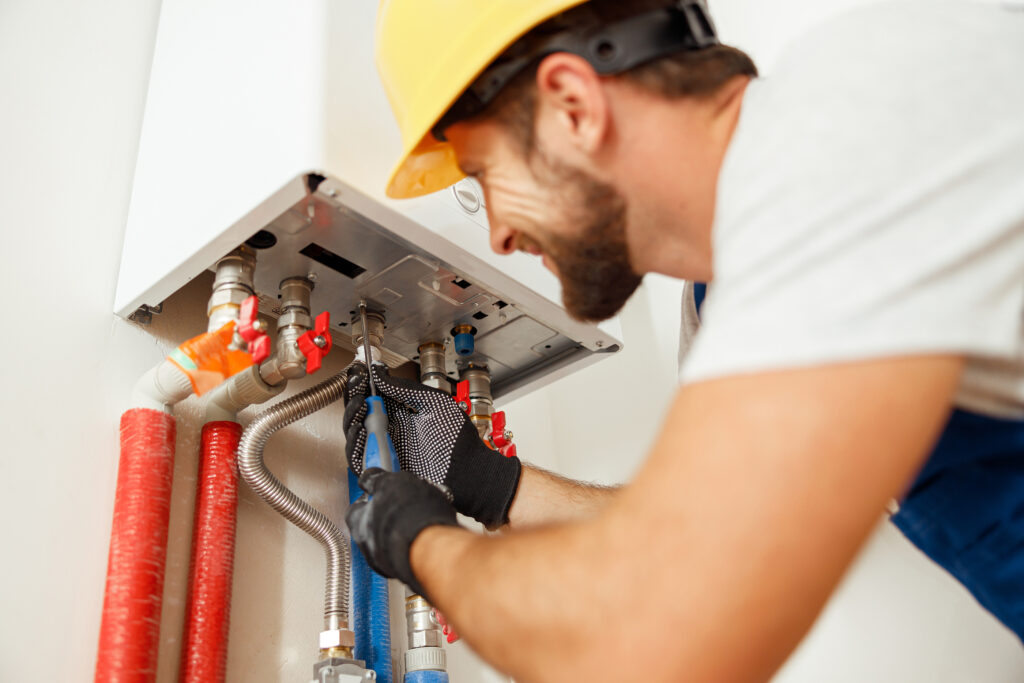
Homes across Grand Rapids and nearby communities include a mix of older tanks, newer heaters, and tankless systems. Each setup responds differently after repairs. Understanding why hot water runs out faster helps homeowners avoid repeat service calls and unnecessary worry.
How Repairs Change Hot Water Performance
Plumbing repairs often improve flow. Clearing a restriction allows water to move more freely. Faster flow means hot water exits the tank quicker than before. The heater still produces the same amount of hot water, but it gets used faster.
Repairs also reset balance. A system that adapted to partial blockages or worn parts suddenly operates at full capacity. That change reveals limits that existed all along.
Temperature settings, valve positions, and pipe routing may also shift during service. Small changes add up quickly in daily use.
Mixing Valve Adjustments That Reduce Hot Water Duration
Many water heaters include a mixing valve. This valve blends hot and cold water before it reaches faucets. Repairs sometimes require shutting off or adjusting this component.
A valve set too cool reduces usable hot water. The tank still heats water properly, but colder blending shortens shower time. Mixing valves protect against scalding, so plumbers adjust them carefully. A slight change affects comfort immediately.
Homeowners often notice the issue at showers first. Sink use may feel normal, which adds confusion. Checking and resetting the mixing valve often restores expected performance.
Increased Water Flow After Plumbing Repairs
Repairs that clear clogs or replace corroded piping restore full pipe diameter. Water moves faster through clean pipes. Faucets and showers now deliver more gallons per minute.
Higher flow drains the tank faster. A showerhead that previously delivered low pressure now uses more hot water per minute. The heater capacity stays the same, so hot water ends sooner.
Flow changes explain why the problem appears right after repairs. Pressure regulators and low flow fixtures help balance comfort and efficiency.
Dip Tube Issues Inside the Water Heater
The dip tube directs cold water to the bottom of the tank. This design keeps hot water available at the top. Repairs that disturb plumbing connections can dislodge or damage this tube, especially in older heaters.
A broken dip tube mixes cold water with hot water near the outlet. The result feels like hot water runs out quickly even though the tank still holds heat.
Dip tube problems often appear after nearby plumbing work rather than heater service itself. Replacing the tube restores normal hot water duration.
Sediment Movement After System Draining
Repairs often require draining part or all of the system. Draining stirs sediment at the bottom of tank heaters. That sediment reduces heating efficiency and occupies space meant for hot water.
After refilling, the heater struggles to heat water evenly. Hot water feels shorter because the usable volume shrinks. Sediment also insulates the burner or heating elements.
Flushing the tank removes sediment and restores capacity. Regular maintenance prevents this issue from recurring after future repairs.
Thermostat Settings Shift During Service
Technicians may adjust thermostat settings for safety during repairs. Power outages or resets can change programmed temperatures.
A lower temperature setting reduces stored heat. The water still heats, but it cools faster during use. This change often goes unnoticed until long showers reveal the difference.
Checking thermostat settings after repairs ensures the heater operates as expected. Proper settings balance safety and comfort.
Plumbing Cross Connections Introduced During Repairs
Cross connections allow cold water to enter the hot line through faulty valves or fixtures. Repairs that involve valves, faucets, or appliances sometimes introduce this issue.
Cold water mixes into the hot supply, reducing temperature quickly. The heater works harder, but hot water still runs out sooner.
Identifying cross connections requires testing fixtures one at a time. Fixing the faulty component restores normal performance.
Tankless Systems and Flow Rate Changes
Tankless water heaters heat water on demand. Repairs that increase flow may exceed the heater capacity. The system cannot keep up, so temperature drops faster.
This issue often appears after installing new fixtures or clearing restrictions. The heater still works, but demand exceeds design limits.
Flow adjustment or system upgrades solve this problem. Understanding system capacity helps avoid frustration.
Why the Problem Often Appears Right After Repairs
Timing creates suspicion. Repairs expose existing limits rather than create new problems. Improved efficiency reveals system size, age, or maintenance issues that existed quietly before.
Repairs act like a reset. Everything flows freely again, and weaknesses become noticeable. The fix involves adjustment, not replacement in most cases.
Steps Homeowners Can Take First
Simple checks help identify the cause:
- Verify thermostat settings
- Check mixing valve adjustment
- Observe water pressure changes
- Note which fixtures run cold first
These details help plumbers diagnose faster.
When Professional Help Makes Sense
Call a professional when:
- Hot water ends within minutes
- Temperature fluctuates sharply
- Pressure increased significantly after repairs
- Tank noises increased after draining
Early inspection prevents damage and restores comfort.
How Experienced Plumbers Prevent This Issue
Quality service includes system checks after repairs. Pressure testing, valve adjustment, and temperature verification prevent surprises. Communication helps homeowners understand expected changes.
A complete approach protects system performance and comfort long term.
Frequently Asked Questions
Can plumbing repairs really affect hot water duration?
Yes. Repairs often increase flow or alter mixing, which changes how fast hot water gets used.
Does this mean my water heater needs replacement?
Not usually. Adjustments or maintenance often fix the issue.
Why does the shower run cold faster but sinks seem fine?
Showers use higher flow rates and reveal capacity issues faster.
Can sediment cause hot water loss after repairs?
Yes. Draining stirs sediment, which reduces usable hot water volume.
Should I call the plumber who did the repair?
Yes. Sharing details helps them correct the issue quickly.
Hot water running out too fast after repairs needs expert attention. Call Penning Plumbing, Heating, Cooling & Electric at 616-538-0220 for help in Grand Rapids and Kentwood.
