

Plumbing Noises That Appear After Repairs and What They Actually Signal
Plumbing repairs often bring relief. Leaks stop, pressure improves, fixtures work again. Then a new sound shows up. A bang in the wall. A whistle at the faucet. A rattle after the toilet flushes. These noises worry homeowners, especially after recent plumbing work. Many people assume something went wrong during the repair. In reality, plumbing noises after repairs usually point to pressure changes, air movement, or adjustments inside the system that now behave differently.
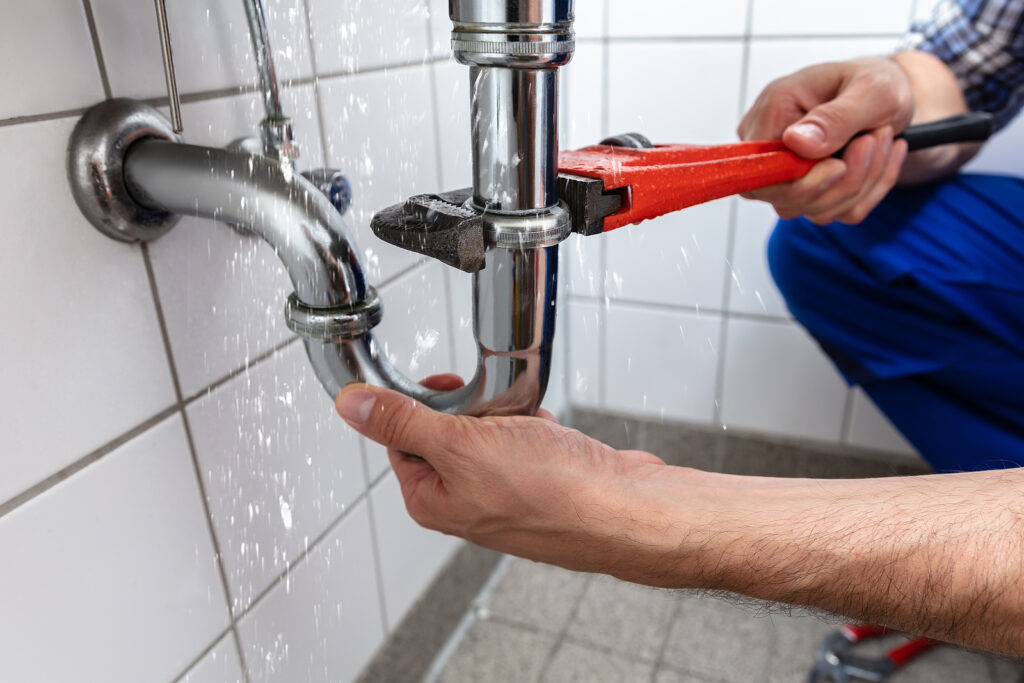
Homes in Grand Rapids and nearby areas include a wide range of plumbing layouts. Older homes rely on rigid piping. Newer homes mix copper, PEX, and PVC. Repairs can shift how water flows through these systems. Sound travels through pipes easily, so even small changes create noticeable noise. Understanding what each sound means helps homeowners decide when to relax and when to call for help.
Why Plumbing Sounds Often Start After Repairs
Repairs change flow patterns. A new valve opens more freely. A clog removal restores full pipe diameter. A replaced section of pipe removes old restrictions. Water now moves faster or with more force than before. Pipes respond to that change with movement, vibration, or pressure adjustments. Air also plays a role. Draining lines during repairs allows air into the system. That air must escape once water flow resumes. Until it clears, noise follows.
Temperature shifts matter too. New pipes expand differently than old ones. Metal and plastic react at different rates. Expansion and contraction create tapping or ticking sounds after hot water use. None of these signals automatically mean poor workmanship. Most noises reflect physics at work inside the plumbing.
Banging or Thudding Sounds After Water Turns Off
A loud bang after shutting off a faucet or appliance often signals a water hammer. This sound occurs when moving water stops suddenly and slams against closed valves. Repairs that restore full pressure or replace worn valves increase this effect.
Older pipes suffer more because they lack modern shock absorption. Loose pipes inside walls also amplify the noise. Washing machines and dishwashers trigger water hammer frequently due to fast closing valves.
Ignoring repeated banging can damage joints over time. Pipe straps, air chambers, or water hammer arrestors reduce this stress. Pressure checks also help since excessive pressure worsens the issue.
Whistling or Screeching Noises at Faucets
A high pitched whistle during water use points to restricted flow. Repairs sometimes reveal worn internal parts that now react differently under restored pressure. Faucet cartridges, angle stops, and supply valves often cause this sound.
Debris dislodged during repairs can lodge inside valve openings. That obstruction forces water through a narrow gap, creating vibration and noise. The sound usually changes with flow adjustment. Replacing worn valves or cleaning debris resolves the problem. Letting it go risks valve failure later.
Rattling Pipes Inside Walls
Rattling noises often appear after pipe replacement or drain work. Pipes shift slightly as water moves through them. Improperly secured lines strike framing or nearby pipes.
Older homes often lack adequate pipe supports. Repairs disturb settled pipes and expose these weaknesses. Plastic piping expands more than metal and rattles more easily without support.
Rattling rarely causes immediate damage, but it signals movement that can wear joints. Securing pipes prevents future leaks and reduces noise transmission.
Gurgling Sounds After Drain Repairs
Gurgling after drain cleaning or pipe replacement usually indicates air movement. Drains rely on proper venting to balance pressure. Clearing a clog changes how air moves through the system.
Partial blockages in vent lines or improper slope in drain pipes allow air to push through water traps. That movement creates bubbling or gurgling sounds at sinks and tubs.
Gurgling often appears shortly after repairs and fades as the system stabilizes. Persistent noise points to venting issues that need attention to prevent slow drainage or sewer gas odors.
Ticking or Popping Sounds After Hot Water Use
Metal pipes expand when heated and contract as they cool. New piping or newly exposed sections rub against framing during this movement. The sound resembles ticking or popping.
This noise increases after hot water repairs or heater replacements. New pipes expand more freely than old ones. Tight holes through studs or joists restrict movement and amplify sound.
Adding protective sleeves or enlarging contact points reduces friction noise. The sound itself poses little risk, but it signals stress that could wear pipe surfaces over time.
Hissing Sounds Near Valves or Appliances
A steady hiss often comes from pressure imbalance. Repairs that restore pressure reveal weak valves or seals. Toilets and water heaters commonly produce this noise.
Toilet fill valves hiss when seals wear or pressure exceeds normal range. Water heaters hiss during heating when sediment traps water against hot surfaces.
Pressure regulation solves many hissing issues. Component replacement addresses worn parts that repairs exposed.
Knocking Sounds in Drain Lines
Drain knocks differ from water hammer. These sounds occur as water moves through long vertical sections. Repairs that restore full drainage speed cause waste water to strike pipe turns with force.
Poorly supported drain lines exaggerate this noise. Long drops create momentum that pipes struggle to absorb. Securing drains and adjusting flow reduces knocking. Persistent knocking signals pipe movement that may loosen joints over time.
Why Some Noises Fade and Others Persist
Temporary noises often fade as air clears and pipes settle. Persistent noises usually point to pressure or support issues. Time helps identify the difference.
Sounds that occur only during heavy use often relate to flow changes. Sounds that appear randomly suggest pressure imbalance or loose components.
Homeowners benefit from paying attention to timing and location. This information helps plumbers pinpoint the cause quickly.
When Plumbing Noises Require Professional Attention
Some noises signal harmless adjustments. Others warn of future damage.
Call a professional when:
- Banging occurs daily or worsens
- Whistling changes pitch or restricts flow
- Gurgling accompanies slow drains
- Hissing continues after fixture shutoff
- Rattling shakes walls or ceilings
Early correction prevents pipe damage and water loss.
How Quality Repairs Reduce Post Repair Noise
Experienced plumbers anticipate noise risks. Proper pipe support, pressure testing, and debris flushing prevent many issues. Clear communication helps homeowners understand expected adjustments after repairs.
Modern solutions such as pressure regulators, arrestors, and flexible connectors reduce noise long term. Quality repairs focus on system balance, not just the immediate fix.
Frequently Asked Questions
Are plumbing noises after repairs normal?
Many noises reflect pressure and flow changes and resolve quickly, but persistent sounds need attention.
Can air in pipes cause loud sounds?
Air pockets cause gurgling, banging, and sputtering until the system clears.
Do new pipes make more noise than old ones?
New pipes expand differently and may reveal support issues that old pipes masked.
Should I worry about water hammer after repairs?
Repeated water hammer can damage pipes and valves and needs correction.
How long should I wait before calling a plumber?
Sounds lasting more than a few days or growing louder deserve professional inspection.
Strange plumbing noises after repairs deserve answers. Call Penning Plumbing, Heating, Cooling & Electric at 616-538-0220 for expert help in Grand Rapids and Kentwood.
