

Outlets That Work Sometimes and Fail Other Times: How Old Panels Cause Inconsistent Power
An outlet that works one moment and shuts off the next always feels frustrating. A lamp flickers, your phone charger stops working, or a kitchen appliance loses power even though nothing seems wrong on the surface. Many homeowners in Grand Rapids and Kentwood blame the outlet itself or assume a loose plug is the problem. The truth is often deeper. Intermittent power problems usually start farther up the electrical system, and the electrical panel becomes a major suspect.
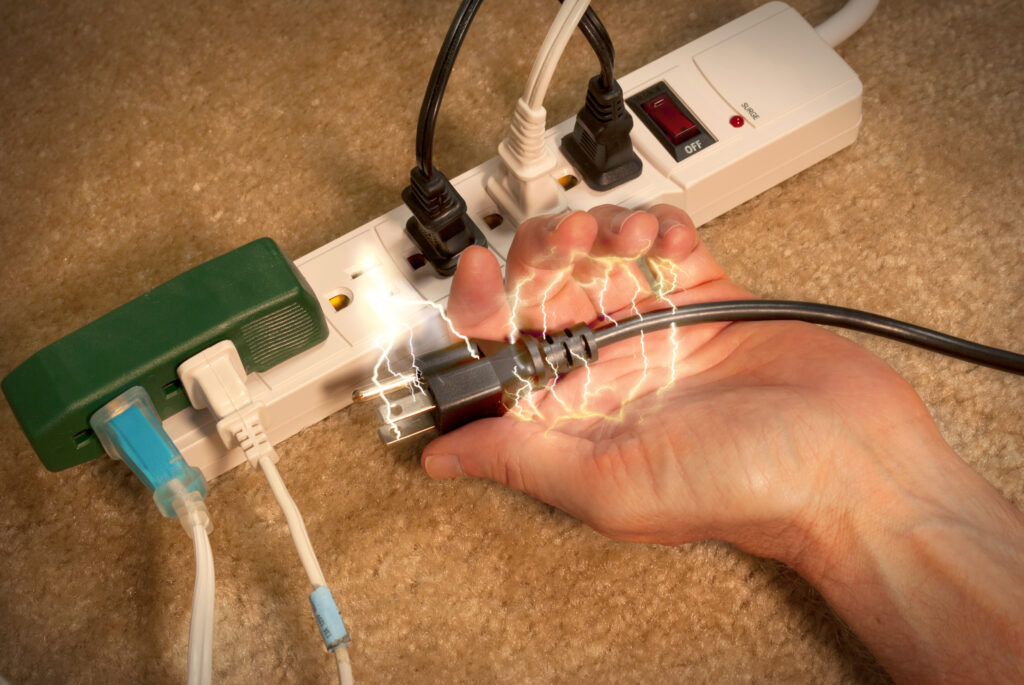
Old panels struggle to deliver steady power because they deal with weakened connections, worn breakers, corrosion, oversized loads, and outdated wiring practices. As these issues stack up, the outlets in your home behave unpredictably. They work until the moment the panel can’t keep up, then they fail without warning. Understanding why this happens helps you avoid unsafe conditions and catch problems before they grow into something serious.
Most homeowners don’t realize how often a panel affects the outlets throughout the home. A panel acts like the heart of the electrical system. Every outlet depends on it. When the heart struggles, the rest of the system follows. That is why intermittent power problems give clear clues about what is happening behind the scenes. Let’s break down why outlets behave this way and how an aging electrical panel creates the inconsistency you experience.
Old Electrical Panels Lose Power Stability Over Time
A modern home uses far more electricity than homes from decades ago. Older electrical panels were built for lighter loads and fewer high-demand appliances. As time moves on, the breakers, lugs, bus bars, and internal wiring inside the panel begin to wear down. This wear reduces the panel’s ability to maintain steady, reliable power.
When the panel can’t hold a stable connection, the circuits feeding your outlets start to drop and regain power. That creates the random on-and-off behavior you see. You might notice it more during busy times, like when the furnace, dishwasher, or microwave runs. Those heavy loads expose the weakness inside the panel.
Old panels also lose performance because of temperature swings. Heat expands metal parts, and cooling contracts them. After many years of expansion and contraction, connections loosen. Loose connections create intermittent power, flickering lights, and outlets that work only when the connection holds steady.
Loose or Corroded Breaker Connections Interrupt Outlet Circuits
Every breaker sits in physical contact with the bus bar inside the panel. That contact must stay firm for the breaker to deliver power to the circuit. As these surfaces age, they corrode or wear down. Sometimes the breaker no longer sits tightly in place, and the connection cuts in and out.
This problem causes symptoms like:
- Outlets working only at certain times
- Appliances shutting off under heavier loads
- Lights dimming when other devices turn on
- Breakers tripping repeatedly for no clear reason
Corrosion inside panels in Grand Rapids and Kentwood becomes even more common because of Michigan humidity and seasonal moisture. Once corrosion builds under the breaker, the power passing through weakens. Even a small amount of oxidation can create enough resistance to interrupt an entire outlet circuit.
Aging Panels Struggle With Modern Household Loads
Old electrical panels rely on designs that cannot handle the number of devices used in a modern home. Outdated panels often run overloaded circuits without tripping. That leads to overheating and intermittent power loss.
Many older homes still have:
- 60 amp panels
- Fuse boxes
- Early breaker panels without arc fault protection
- Aluminum branch circuit wiring
An overloaded panel does not always shut down cleanly. Instead, it lets the power dip before it cuts out entirely. That dip affects the outlets first. You may plug in a vacuum, space heater, or hair dryer and watch other outlets in the home flicker or fail.
This issue grows more noticeable during winter because furnaces, humidifiers, electric heaters, and holiday lighting increase the electrical load.
Damaged Bus Bars Create Intermittent Power Failures
Inside every panel sits a pair of metal bus bars that distribute electricity to the breakers. When bus bars age, the metal heats up, cools down, and begins to wear. Over time, small burn marks develop in spots where breakers make contact. Those damaged areas create inconsistent power flow.
This breakdown causes circuits to:
- Lose power randomly
- Deliver weak voltage
- Shut off when household demand increases
A damaged bus bar often smells like burnt metal or leaves behind dark discoloration inside the panel. Homeowners rarely see this issue because it happens behind the breakers, but the symptoms show up in the outlets long before the damage becomes visible to technicians.
Once a bus bar reaches this point, repair rarely makes sense. Replacement or an electrical panel upgrade becomes the safest option.
Outdated Panels Have Poor Grounding That Causes Unpredictable Outlet Behavior
A strong grounding system protects a home from stray voltage and ensures outlets perform correctly. Older panels often struggle with grounding because the system was built before modern standards. As a result, older grounding rods, clamps, and bonding connections loosen or corrode.
Poor grounding causes:
- Flickering outlets
- Electronics that reset randomly
- Occasional buzzing from outlets
- Light switches that act unpredictable
- Static shocks when touching appliances
Bad grounding creates unstable power, which affects sensitive devices first. Many homeowners think the outlets are failing, but the real issue sits at the panel or grounding system. Once a technician corrects the grounding, stability returns quickly.
Shared Neutrals and Outdated Wiring Practices Lead to Intermittent Outlets
Some older Grand Rapids and Kentwood homes were wired with shared neutrals or multi-wire branch circuits. These setups depend heavily on proper breaker placement and good neutral connections.
If a shared neutral becomes loose, the outlets on that circuit behave unpredictably. You may see:
- Power on one side of the room and not the other
- Outlets that only work when a nearby device is on
- Lights that dim when something else is plugged in
These systems rely on perfect panel wiring alignment. If someone replaced a breaker incorrectly or if the neutral bar aged, the circuit loses stability.
Failing Breakers Trip or Disconnect Without Warning
Breakers age just like any other mechanical component. Springs weaken, internal contacts wear down, and the breaker stops holding power consistently.
A failing breaker can:
- Trip randomly even under normal loads
- Stay reset but fail to deliver power
- Heat up and shut off power temporarily
- Flicker power to outlets on that circuit
Homeowners often replace outlets thinking the problem sits at the wall. But an old breaker can cause the same symptoms across every outlet on that circuit.
How Technicians Identify the Source of Intermittent Outlet Problems
Because so many components influence a circuit, a trained technician uses a structured approach to diagnose the issue. That process includes checking:
- Breaker seating and tightness
- Bus bar condition
- Neutral and grounding connections
- Voltage drop under load
- Age and load capacity of the panel
- Condition of wiring entering the panel
- Signs of heat damage or corrosion
Once the technician identifies the source, the repair path becomes clear. In some cases, a breaker replacement solves the problem. In others, the panel shows enough wear that an upgrade becomes the safer long-term solution.
Why Old Panels Create Safety Risks Beyond Inconsistent Outlets
Intermittent power isn’t just annoying. It signals deeper safety problems that should not be ignored. Outlets that flicker or fail point toward resistance and heat inside the electrical system. Heat at the panel creates fire risk.
Old panels become risky because:
- Loose connections create arcing
- Corrosion blocks stable power
- Breakers fail to trip correctly
- Bus bars weaken with age
- Grounding falls out of spec
A panel upgrade removes all these hazards and brings the home up to modern safety standards.
FAQs
Why do my outlets work sometimes and not other times?
Intermittent outlets often come from loose connections, corroded breakers, or worn components inside an older electrical panel.
Can an old panel cause lights and outlets to flicker?
Yes. Aging panels struggle to maintain stable power, which leads to flickering and inconsistent outlet performance.
How does corrosion affect outlet performance?
Corrosion disrupts the connection between breakers and bus bars, creating power drops that reach your outlets.
Does an overloaded panel cause intermittent outlet problems?
Yes. When a panel carries more load than it was designed for, it weakens power delivery to outlets and appliances.
Will upgrading the electrical panel fix inconsistent outlets?
Most of the time, yes. A panel upgrade restores stable power and eliminates the issues caused by aging components.
Restore safe, steady power throughout your home with expert electrical panel service. Call Penning Plumbing, Heating, Cooling & Electric at 616-538-0220 for trusted help in Grand Rapids and Kentwood.
