

Hot Water Lag Time in Tankless Systems: What Creates It and Practical Ways to Reduce It
Tankless hot water systems give homeowners endless hot water, better energy efficiency, and a more compact setup than old tank-style heaters. Even with these advantages, many people in Grand Rapids and Kentwood notice something they didn’t expect: a delay between turning on the tap and getting hot water. This delay feels frustrating, especially during busy mornings or cold Michigan winters. The good news is that this lag has real causes and real solutions. Once you understand what creates that delay, you can take steps to reduce it and get hot water faster and more reliably.
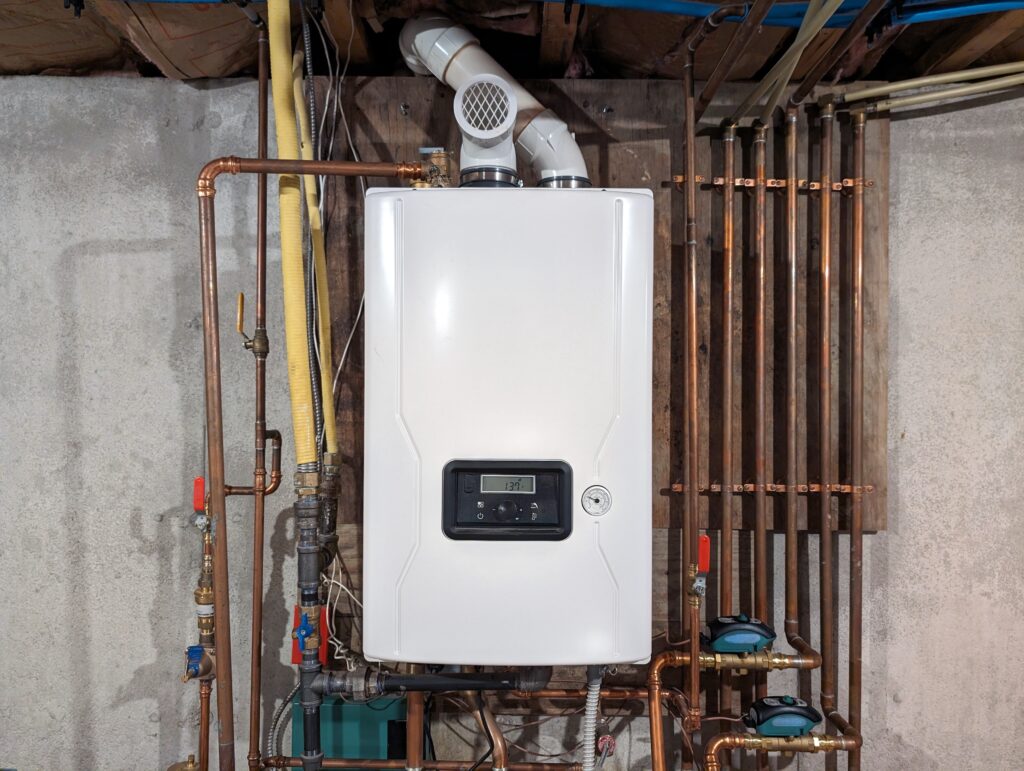
Hot water lag doesn’t mean your tankless system is broken. It simply means your plumbing layout, usage habits, or system settings need an adjustment. Some causes are easy to fix, while others require more thoughtful upgrades. This breakdown covers why lag happens, how to make sense of it, and what changes help reduce the wait at your sinks, showers, and appliances.
Why Tankless Systems Produce Hot Water Lag
Hot water lag starts with the distance between your tankless heater and the fixtures in your home. Cold water remains in the pipes after each use. The next time you run a faucet, that cold water needs to clear out before the hot water reaches you. In many homes, this alone creates a noticeable delay.
Lag also comes from the ignition and heating process. A tankless system turns on only when you open a tap and water starts flowing. The heater then senses demand, ignites, and brings water to the set temperature. This sequence takes a short moment, and combined with pipe distance, the result becomes a longer-than-expected wait.
Certain plumbing layouts create more lag than others. Homes with split plumbing branches, long pipe runs, or multiple stories often experience longer delays. A tankless heater delivers endless hot water, but it still needs time to push it through the system and reach the fixtures farthest away.
How Cold Michigan Winters Increase Lag Time
Grand Rapids and Kentwood homes experience freezing temperatures for long stretches of the year. Cold incoming water slows tankless systems down because the heater works harder to raise the temperature. Instead of lifting water from mild or lukewarm conditions, the system deals with icy ground temperatures.
This shift creates two effects:
- The heater takes longer to reach the set temperature
- The system must push hotter water farther to override extremely cold pipes
Even a well-sized tankless heater needs more time in winter than in spring or fall. Insulation around pipes and upgrading certain components can help reduce these delays. Without those upgrades, homeowners often feel like something is wrong with the system even though it’s responding exactly as expected for the season.
Plumbing Distance and Layout: The Biggest Source of Hot Water Lag
The path water travels influences lag time more than any heater feature. Long, winding pipe routes stretch the delay. Fixtures on the opposite side of the home or on upper floors often experience longer waits.
Homes with these features often see pronounced lag:
- Bathrooms located far from the heater
- Kitchens positioned along the home’s opposite end
- Older plumbing with oversized or uninsulated pipes
- Multi-level homes with separate plumbing runs
A tankless heater may deliver hot water instantly from the unit, but long plumbing stretches override that benefit. Without a design improvement, lag in these areas remains noticeable.
Flow Rate and Fixture Behavior: Why Some Faucets Heat Up Faster
Every fixture behaves differently depending on how much water flows through it. Showers usually reach temperature faster because they pull more water. Bathroom sinks take longer because their flow rate is low.
Low-flow faucets extend lag time because the heater senses the demand but must heat water at a reduced pace. At very low flow rates, a tankless system may not activate at all, leaving homeowners confused by lukewarm or cold water.
A few examples of flow-related lag include:
- Slow kitchen taps
- Bathroom sinks with water-saving aerators
- Low-flow showerheads in older homes
The heater activates only when the flow reaches a specific threshold. If flow drags below that threshold, the heater shuts off or struggles to maintain heat.
Hard Water and Mineral Buildup: A Hidden Cause of Longer Delays
Grand Rapids and Kentwood both deal with moderately hard water. Over time, mineral buildup inside the tankless unit restricts water movement and heat transfer. This buildup slows the heating process and increases lag, especially at fixtures far from the heater.
Signs that mineral buildup affects performance:
- Hot water takes longer to arrive than it used to
- Hot water fluctuates unexpectedly
- System runs loudly or works harder than normal
Regular descaling keeps the heater running smoothly. Homes without water softeners or filtration systems experience mineral buildup faster and need more frequent maintenance to avoid extended lag times.
Practical Solutions to Reduce Hot Water Lag
Several solutions help reduce lag time, and some combinations deliver the best improvements. The right fix depends on your plumbing layout, heater capacity, and the way your household uses hot water.
Hot Water Recirculation Systems
A recirculation system moves hot water through the pipes at intervals or on demand. This method keeps hot water ready closer to your fixtures, removing long waits. Some systems operate on a timer, while others activate with push buttons or sensors.
Point-of-Use Tankless Units
These small heaters sit near fixtures that suffer from long delays. They heat water instantly at that location and remove the lag entirely. Many homeowners install them for remote bathrooms, basements, or detached spaces.
Pipe Insulation
Insulating hot water pipes helps maintain temperature between uses. This technique especially benefits homes where pipes run through cold basements or exterior walls.
System Flush and Descaling
Regular flushing keeps the heater performing well and reduces the time needed to reach temperature. High-efficiency tankless systems heat faster when mineral buildup is minimized.
Optimizing Flow Rates
Replacing extreme low-flow aerators helps the system activate faster while still remaining efficient. Adjusting fixture flow prevents the heater from shutting off mid-use.
Each solution tackles a different cause. Together, they help homeowners reduce wait times dramatically.
How Professional Assessment Helps Reduce Lag
A trained technician evaluates your plumbing design, heater capacity, gas supply, winter conditions, and water hardness. That full evaluation reveals which combination of improvements will make the biggest impact. For many homes, the fix involves more than one adjustment.
A professional assessment identifies:
- Pipe length and diameter issues
- Recirculation needs
- Flow rate mismatches
- Gas line limitations
- Venting restrictions
- Water hardness problems
Many homeowners assume the heater is the issue, but the plumbing often holds the biggest influence over performance. A trained eye helps remove guesswork and gives you actionable steps that make hot water arrive faster and more consistently.
Common Hot Water Lag Problems Homeowners Face in Grand Rapids and Kentwood
Homes across the region share similar challenges that we solve every day.
Common issues include:
- Long delays before water turns hot in bathrooms and kitchens
- Slow hot water during winter months
- Hot water that shuts off during low-flow faucet use
- Mineral buildup causing performance decline
- Inconsistent temperature due to long plumbing runs
FAQs
Why does my tankless water heater take so long to heat up?
Cold water sitting in pipes and ignition delay typically create the lag. Long plumbing runs and cold winter temperatures extend that wait.
Does a recirculation pump really reduce hot water lag?
A recirculation pump keeps hot water closer to your fixtures. Homes with long plumbing routes often see a major improvement.
Can my tankless system be too far from my bathroom or kitchen?
Long pipe distances increase lag time. Point-of-use units or recirculation systems fix this issue.
Why does my tankless water heater shut off during low flow?
Most units need a minimum flow rate to stay active. Low-flow faucets sometimes fall below that threshold.
Do cold Michigan winters affect tankless performance?
Yes. Cold incoming water slows heating and increases lag. Insulation and system adjustments help offset this.
Get faster, more reliable hot water with expert tankless support. Call 616-538-0220 to schedule service with Penning Plumbing, Heating, Cooling & Electric in Grand Rapids.
