

How Municipal Gas Pressure Changes Affect Residential Water Heater Performance
Most homeowners never think about gas pressure. You turn on the hot water, expect heat, and move on with your day. But behind the scenes, your water heater depends on steady gas pressure to work the right way. When that pressure changes, even slightly, your system can struggle. In places like Grand Rapids and the surrounding areas, including Kentwood, seasonal demand, infrastructure updates, and weather conditions can all affect gas delivery. These changes often show up first in your water heater.
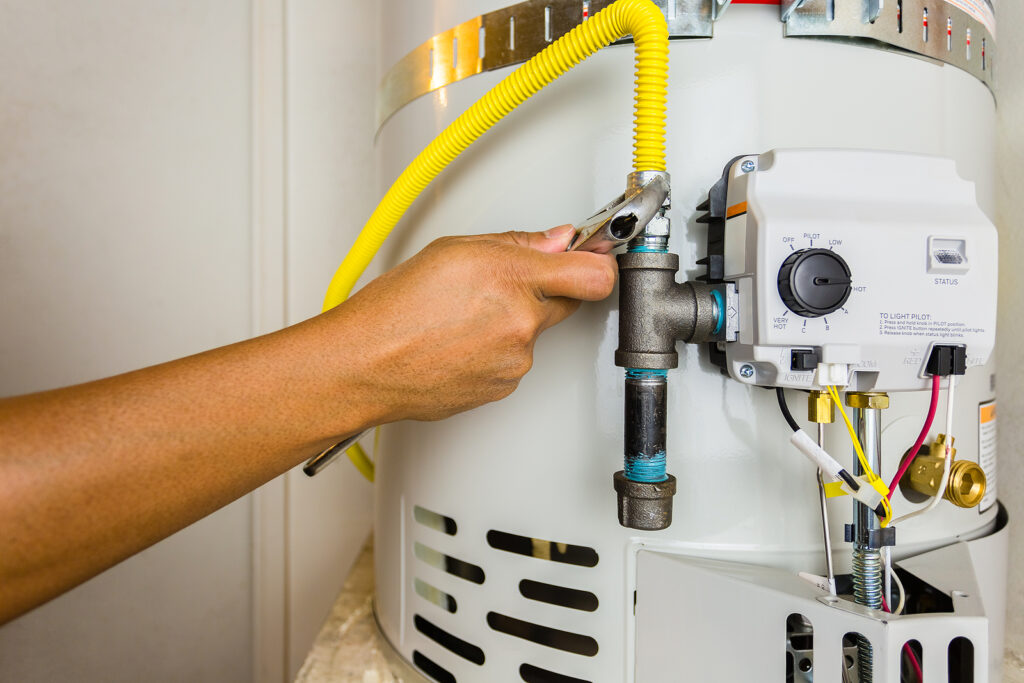
Many people assume slow heating, temperature swings, or pilot problems mean the unit is getting old. In reality, municipal gas pressure shifts may cause those problems. Understanding how this works helps you spot early warning signs, protect your equipment, and avoid surprise breakdowns.
This guide explains how gas pressure works, why it changes, how it affects your water heater, and what you can do to protect your home.
How Municipal Gas Pressure Works in Residential Neighborhoods
Natural gas travels through a network of underground pipes before it reaches your home. Utility companies regulate pressure at several points along the way. Large transmission lines carry gas at high pressure. Local regulators then reduce it to safe levels for neighborhoods and homes.
By the time gas reaches your house, pressure usually falls within a narrow range that appliances expect. Water heaters, furnaces, and stoves all rely on this consistency. Each appliance includes internal regulators designed to fine-tune incoming pressure. These parts work best when the supply stays stable.
In busy areas, pressure fluctuates throughout the day. Morning showers, evening cooking, and cold winter nights all increase demand. Utilities adjust systems to balance supply, but small changes still happen. Over time, these shifts influence how your water heater performs.
Why Gas Pressure Changes Happen in Your Area
Gas pressure does not change randomly. Several real-world factors affect supply in West Michigan neighborhoods. Cold weather drives heavy furnace use. During winter, gas demand spikes as homes rely on heating systems. This added load reduces pressure in some areas, especially older neighborhoods with aging infrastructure.
Construction and maintenance work also play a role. Crews may shut down sections of pipe or reroute supply during repairs. These changes can temporarily lower pressure. Population growth increases demand. As new homes and businesses connect to the gas system, older supply lines must serve more users.
Weather events matter too. Heavy rain, flooding, or soil movement can affect underground pipes and regulators. Even small shifts can influence pressure stability across utility systems. In extreme conditions, sudden pressure changes can also impact other home systems. For a deeper look at how municipal pressure surges affect residential infrastructure, read our guide on basement floor drain geysers after cloudbursts and backflow diagnostics.
How Gas Pressure Affects Water Heater Combustion
Your water heater burns gas to heat water. That process depends on the right mix of fuel and air. Pressure controls how much gas flows into the burner. Low pressure reduces flame size. The burner may struggle to stay lit. Heating takes longer, and recovery time increases. You may notice lukewarm water during long showers.
High pressure creates larger flames. That sounds helpful, but it creates problems. Excess heat stresses internal parts. Burners wear faster. Safety sensors may shut down the system. Stable pressure allows steady combustion. The flame stays blue, even, and controlled. This balance keeps your water heater efficient and safe. When pressure shifts outside normal ranges, performance suffers.
Warning Signs of Gas Pressure-Related Water Heater Problems
Many water heater issues connect directly to gas pressure. Watch for these common signs:
- Water temperature fluctuates without adjusting settings. Hot water suddenly turns cool, then returns.
- Pilot light goes out more often. Low pressure can starve the pilot of fuel.
- Delayed ignition. The burner clicks or hesitates before lighting.
- Longer recovery time. Tanks take much longer to reheat after use.
- Soot buildup around vents or burners. Poor combustion causes residue.
- Unusual popping or rumbling sounds. Pressure imbalance affects heating cycles.
- Frequent shutdowns with no clear cause. Safety systems respond to unstable flames.
- These symptoms often appear gradually. Homeowners may not notice until comfort drops.
Long-Term Effects on Water Heater Components
Pressure problems do not just affect daily comfort. They shorten equipment life. Burners experience uneven wear when flames fluctuate. Metal parts expand and contract more than designed. Over time, cracks form. Gas valves work harder to regulate an unstable supply. Internal seals wear out faster.
Heat exchangers face extra stress from temperature swings. This can cause warping or early corrosion. Ignition systems cycle more often when pressure fluctuates. More cycles mean more wear.
Venting systems also suffer. Poor combustion creates moisture and residue that damage flue pipes. These problems add up. A water heater that should last many years may fail much earlier.
How Pressure Changes Interact With Other Gas Appliances
Your water heater does not operate alone. It shares gas supply with furnaces, dryers, and stoves. When multiple appliances run at once, pressure drops. Winter mornings create perfect storm conditions. The furnace runs nonstop. Someone takes a shower. Another person starts laundry. Pressure dips across the system.
If piping inside the home lacks proper sizing, these drops become worse. Older homes often have gas lines sized for past demand levels. Modern lifestyles use more gas. Poor line design amplifies municipal pressure changes. Even small external shifts create noticeable performance problems inside.
How Professionals Evaluate Gas Pressure in Homes
Licensed technicians use specialized tools to measure gas pressure accurately. They test both static pressure and operating pressure. Static pressure shows supply when appliances stay off. Operating pressure shows how the system performs under load. Technicians also inspect regulators, connectors, and valves. Small leaks or blockages can worsen pressure instability.
They check burner flame patterns, combustion quality, and exhaust flow. These signs reveal hidden pressure problems. This testing process identifies whether issues come from municipal supply, internal piping, or appliance components.
What Homeowners Can Do to Reduce Pressure-Related Problems
You cannot control municipal supply, but you can protect your system. Schedule annual inspections. Regular checks catch pressure issues early. Upgrade aging gas lines. Proper sizing supports modern demand. Keep vents clear. Good airflow supports stable combustion.
Avoid DIY adjustments. Gas systems require professional handling. Report repeated issues. Utilities can investigate neighborhood supply problems. Install pressure regulation devices when recommended. These tools help stabilize incoming gas.
Work with experienced technicians who understand local infrastructure. Knowledge of regional systems makes diagnosis more accurate. Small steps now prevent large problems later.
Why Local Experience Matters in Gas System Repairs
Every region has unique gas delivery patterns. Grand Rapids and Kentwood neighborhoods include both older infrastructure and expanding developments. Pressure behavior varies block by block.
Technicians who work locally understand these patterns. They recognize common pressure drops during cold snaps. They know which areas face frequent supply issues.
This experience speeds up diagnosis. It reduces guesswork. Repairs stay accurate and lasting. Working with a company that knows your area protects both safety and comfort.
Frequently Asked Questions
Can low gas pressure damage my water heater?
Yes. Low pressure causes incomplete combustion, longer heating cycles, and added stress on burners and valves.
How can I tell if my pressure is too low?
Signs include slow heating, pilot outages, temperature swings, and delayed ignition. Professional testing confirms the cause.
Does high gas pressure pose safety risks?
Yes. Excess pressure can create oversized flames, overheating, and system shutdowns through safety sensors.
Will replacing my water heater fix pressure problems?
Not always. If supply pressure stays unstable, a new unit may experience the same issues.
Who should I contact about ongoing pressure issues?
Start with a licensed technician. They can test your system and coordinate with the gas utility when needed.
Struggling with inconsistent hot water? Penning Plumbing, Heating, Cooling & Electric can diagnose gas pressure issues. Call 616-538-0220 today for expert service.
